- Home
- /
- Treatments
- /
- Dental Disease Prevention
- /
- Oral Cancer Exam
At Preston Circus Dental Practice, we believe regular dental examinations are an important part of looking after your overall oral health. As well as checking your teeth and gums, your dentist can look for unusual changes in the mouth, lips, tongue and surrounding tissues that may need further investigation.
An oral cancer examination involves checking for signs that could indicate mouth cancer or other oral health conditions. Identifying unusual changes and arranging further assessment where necessary can help ensure that potential problems are not overlooked.
If you are due for a dental check-up or have noticed a change in your mouth that concerns you, our team in Brighton can advise you on the next steps.
What Is an Oral Cancer Examination?
An oral cancer examination is a visual and physical assessment of the mouth and surrounding areas to look for unusual changes in the tissues.
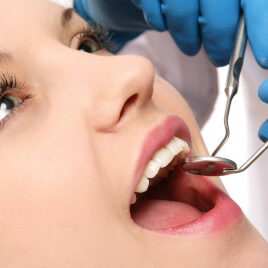
During a routine dental examination, your dentist may check your lips, cheeks, tongue, gums, the roof and floor of your mouth, and the tissues at the back of your mouth. They may also examine your face, jaw and neck for unusual lumps or changes.
These checks form part of looking after your oral health. An examination cannot diagnose cancer on its own, but it may identify an area that needs further investigation.
What Does an Oral Cancer Check Look For?
Your dentist will look for changes that may need closer assessment, including:
Red or White Patches
Unusual red or white patches inside the mouth may need to be assessed, particularly if they persist or cannot be explained by an obvious cause.
Mouth Ulcers That Do Not Heal
Most mouth ulcers heal within a couple of weeks. An ulcer that lasts longer than three weeks should be checked by a dentist or GP.
Lumps or Thickened Areas
A lump, swelling or area of thickened tissue in the mouth, on the lips or in the neck should be assessed by a healthcare professional, especially if it is new or persistent.
Changes to the Tongue or Mouth Tissues
Your dentist will look for unusual changes to the appearance or texture of the tongue, gums, cheeks and other tissues inside your mouth.
Other Persistent Symptoms
Persistent mouth pain, difficulty swallowing, difficulty speaking or a hoarse voice that does not resolve can also require medical assessment.
These symptoms do not automatically mean that you have cancer. However, it is important to get unusual or persistent changes checked rather than waiting for your next routine appointment.
What Happens During an Oral Cancer Examination?
An oral cancer check is generally straightforward and involves looking at and, where appropriate, gently feeling the tissues around your mouth and jaw.
Your dentist may:
- Ask whether you have noticed any unusual symptoms or changes.
- Examine your lips, tongue, cheeks, gums and other tissues inside your mouth.
- Check your face, jaw and neck for unusual lumps or swelling.
- Discuss relevant lifestyle factors and your medical history.
- Recommend further assessment or a referral if something requires investigation.
The examination itself is usually painless, although you should let your dentist know if you have any discomfort or a particularly sensitive area.
If an unusual area is identified, your dentist will explain what they have found and what should happen next. This may involve monitoring the area, further assessment or referral to a specialist. A biopsy or other diagnostic tests may be needed to establish a diagnosis.
Who Is at Risk of Mouth Cancer?
Mouth cancer can affect anyone, although certain factors are associated with an increased risk. These include tobacco use, drinking alcohol, some types of human papillomavirus (HPV) infection and increasing age.
Having one or more risk factors does not mean you will develop mouth cancer, and people without recognised risk factors can also be affected.
Avoiding tobacco, keeping alcohol consumption within recommended limits and maintaining good oral health can form part of looking after your overall health. Attending dental appointments as recommended also gives your dental team an opportunity to assess your mouth and discuss any concerns.
How Often Should You Have an Oral Cancer Check?
Your dentist can examine your mouth as part of a routine dental assessment. How often you should attend depends on your oral health, individual needs and your dentist’s recommendations.
There is no need to wait for a routine appointment if you notice a new or persistent lump, an unexplained mouth ulcer lasting more than three weeks, an unusual red or white patch, or another concerning symptom. Arrange an assessment promptly with a dentist or GP.
Book a Dental Examination in Brighton
At Preston Circus Dental Practice, our team takes a comprehensive approach to oral health. If you are due for a check-up or have concerns about a change in your mouth, we can assess your needs and advise you on the most appropriate next steps.
Looking after your oral health includes being aware of changes and getting them checked when necessary.
If you have any questions or concerns about oral cancer, please contact our practice.