- Home
- /
- Treatments
- /
- Periodontal Treatment
- /
- Periodontal Diagnosis
Gum disease can develop gradually, and you may not notice symptoms in its early stages. A periodontal examination helps your dental team assess the health of your gums and the tissues supporting your teeth, identify signs of disease and determine whether treatment is needed.
At Preston Circus Dental Practice in Brighton, our dental team can assess your gum health as part of your dental care. If you have bleeding gums, persistent bad breath, gum recession or concerns about loose teeth, a periodontal examination can help establish the cause and guide the next steps.
What Is a Periodontal Examination?
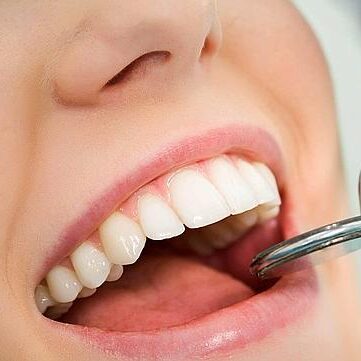
A periodontal examination is an assessment of your gums and the structures that support your teeth. Your dentist or dental hygienist checks for signs of inflammation, bleeding, gum recession and changes in the spaces between your teeth and gums.
A small instrument called a periodontal probe is used to measure the depth of the spaces, known as gum pockets or sulci. These measurements help identify areas where plaque and bacteria may have accumulated beneath the gum line.
Your dental team may also assess tooth mobility and review dental X-rays where appropriate to check for changes in the bone supporting your teeth.
The findings help determine whether your gums are healthy, whether gingivitis is present or whether there are signs of periodontitis that require further care.
What Are the Stages of Gum Disease?
Gingivitis
Gingivitis is inflammation of the gums, often caused by plaque build-up around the teeth and gum line. Common signs include redness, swelling and bleeding when brushing or cleaning between your teeth.
At this stage, the supporting bone has not been lost as a result of the gum inflammation. Professional cleaning and improved daily oral hygiene can often help control gingivitis.
Periodontitis
Periodontitis is a more advanced form of gum disease that affects the tissues supporting the teeth. As the condition progresses, the gums may recede, deeper pockets can develop and the bone supporting the teeth may be damaged.
Possible signs include persistent bleeding, gum recession, changes in tooth position and loose teeth. An examination helps establish the extent of the condition and whether periodontal treatment is required.
Advanced Periodontitis
Advanced periodontitis involves more extensive damage to the structures supporting the teeth. Significant bone loss and loose teeth may be present, and some teeth may be at risk of being lost.
The severity of the condition varies between patients. A detailed periodontal assessment helps your dental team determine the appropriate treatment and ongoing care.
How Is Gum Disease Diagnosed?
Your dentist or hygienist will use several findings to assess your periodontal health.
Gum pocket measurements: A periodontal probe measures the depth of the spaces between your gums and teeth. Deeper pockets may indicate periodontal disease.
Bleeding and inflammation: Bleeding during probing, redness and swelling can indicate inflammation of the gums.
Gum recession: Your dental team checks whether the gums have receded and exposed more of the tooth surface.
Tooth mobility: Teeth may be checked for movement where there is concern about damage to their supporting structures.
Dental X-rays: Where clinically appropriate, X-rays can help assess the bone supporting your teeth and identify changes that may not be visible during a visual examination.
These findings are considered together to help your dentist establish a diagnosis and recommend the most appropriate care.
When Should You Have a Gum Disease Assessment?
You should arrange a dental appointment if you notice signs such as:
- Gums that bleed regularly when brushing or flossing.
- Red, swollen or tender gums.
- Persistent bad breath.
- Gums that appear to be receding.
- New spaces developing between your teeth.
- Teeth that feel loose or have changed position.
Gum disease can sometimes progress without obvious discomfort, so regular dental check-ups are important even when your teeth and gums feel normal.
What Happens After a Periodontal Diagnosis?
If your examination identifies signs of gum disease, your dentist or hygienist will explain the findings and discuss suitable treatment options.
Depending on the severity, this may involve professional cleaning, tailored oral hygiene advice, deeper cleaning beneath the gum line or referral to a periodontist for specialist assessment.
After treatment, regular periodontal maintenance may be recommended to monitor your gums and help manage the condition over time.
The treatment plan and review schedule will depend on your individual needs and how your gums respond to care.
Gum Disease Diagnosis in Brighton
If you are concerned about bleeding gums, gum recession or other possible signs of periodontal disease, Preston Circus Dental Practice can assess your gum health and explain the available options.
Contact our Brighton team to arrange an appointment and discuss your concerns.
If you have any questions or concerns about periodontal disease or treatments, please contact our practice.